


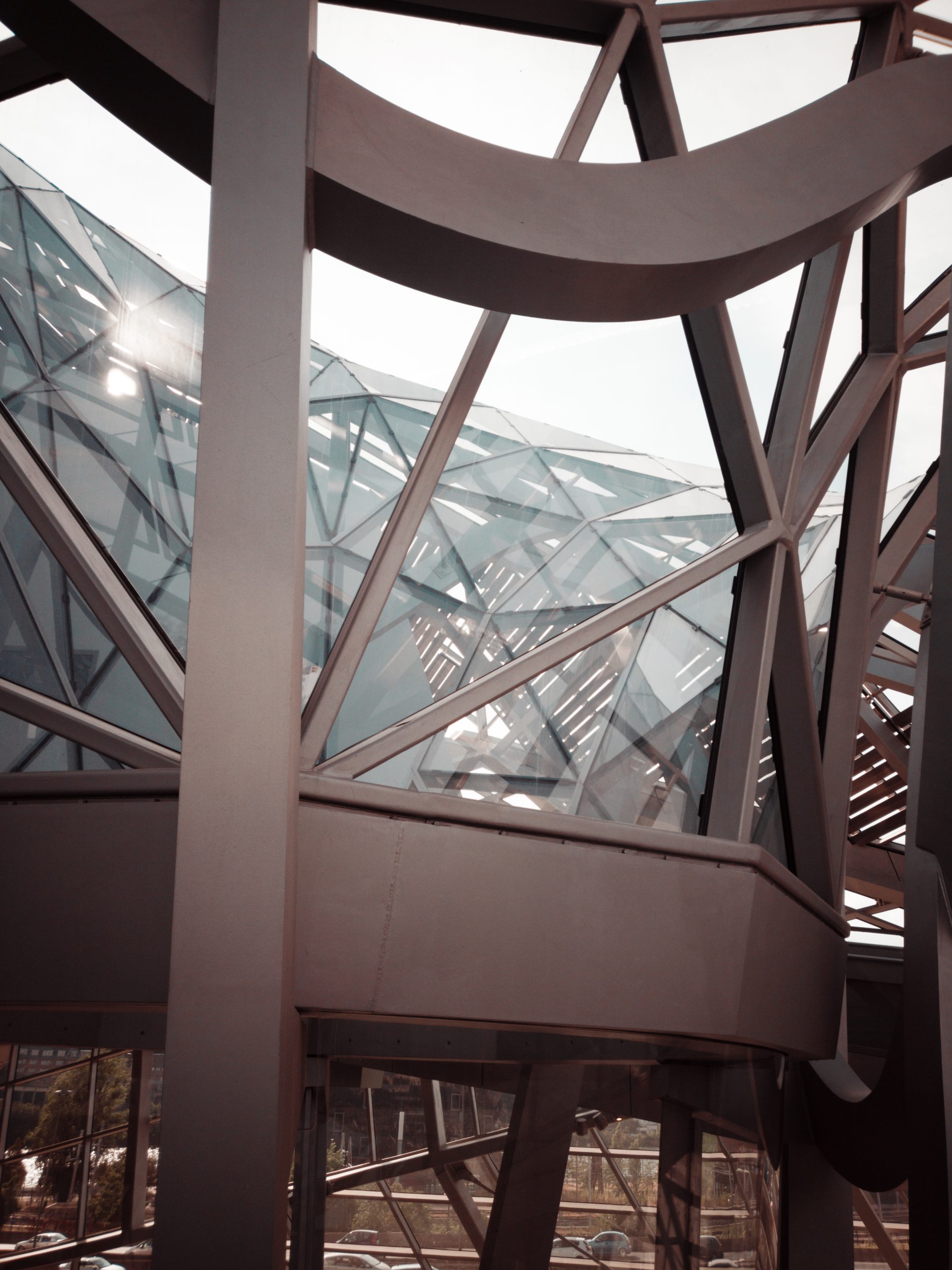
Metal has always been there, quietly doing its job. Supporting roofs, carrying weight, holding everything together. For a long time, nobody really talked about it, it was simply assumed. But today, Metal construction is no longer invisible. It has become a deliberate choice, shaped by how we think about space, time, and responsibility.
What’s interesting is that metal didn’t change overnight. The world around it did. We started asking more from buildings: to last longer, to adapt, to waste less, to make sense not just today but years from now. Metal happened to be ready for that conversation.
Innovative Materials in Metal Construction
The real story begins with the materials themselves. Traditional steel is still a foundation, but modern metal construction materials are far more thoughtful than what came before.
Today’s alloys are lighter, stronger, and more efficient. That balance matters. Less weight means easier transport, less strain on foundations, and more freedom in design. Buildings can open up, breathe more, and feel less constrained by structure.
Durability has also improved in ways that people feel over time, not immediately. Corrosion-resistant treatments and protective coatings mean metal no longer demands constant attention. It stands up to weather, temperature changes, and everyday wear without complaint.
Sustainability has become part of this evolution as well. Metal can be recycled again and again without losing its integrity. For any responsible metal construction company, this isn’t about trends or labels — it’s simply a better way to build. Creating something that can be reused instead of discarded just makes sense.
This approach shows clearly in metal home construction. Homeowners aren’t choosing metal because it looks industrial. They choose it because it feels dependable. Metal frames allow for open layouts, large windows, and spaces that can change over time — homes that feel solid without feeling rigid.
Advanced Techniques and Technologies
Materials only reach their full potential when they’re used well. One of the biggest changes in Metal construction has been how calm and controlled the building process has become.
Planning happens before anything is built. Digital tools allow teams to see every detail in advance, from connections to measurements. That clarity removes guesswork and prevents many of the problems that used to slow projects down.
In fabrication, precision matters. Equipment like the metal bending machine shapes components exactly as intended. There’s no improvisation on-site, no forcing pieces to fit. Automation and CNC systems keep quality consistent and reduce waste along the way.
Prefabrication has changed expectations even more. Large metal elements are produced in controlled environments and assembled quickly at the site. Construction becomes faster, safer, and cleaner — not rushed, just efficient.
Future Trends and Opportunities
The future of Metal construction doesn’t feel dramatic. It feels steady.
Smart buildings, energy-efficient systems, and modular design are becoming normal, not exceptional. Metal supports these changes naturally. It allows structures to grow, adjust, and improve instead of becoming obsolete.
In metal home construction, flexibility is becoming essential. People want homes that can evolve with their lives. Metal makes that evolution easier — whether it’s an extension, a redesign, or integrating new technologies later on.
Automation will continue to refine how things are built, while sustainability will guide what they’re built from. Lighter structures, smarter planning, and responsible production will shape the next stage of construction.
For any forward-looking metal construction company, this isn’t just progress — it’s alignment with how the world now works.
Metal construction has reached a point of quiet maturity. It doesn’t need attention. It doesn’t need exaggeration. It simply works — efficiently, responsibly, and for the long term.
As cities grow and expectations change, metal will keep supporting the spaces where life happens. Not loudly. Not dramatically. Just reliably, which, in the end, is exactly what good construction should be.