


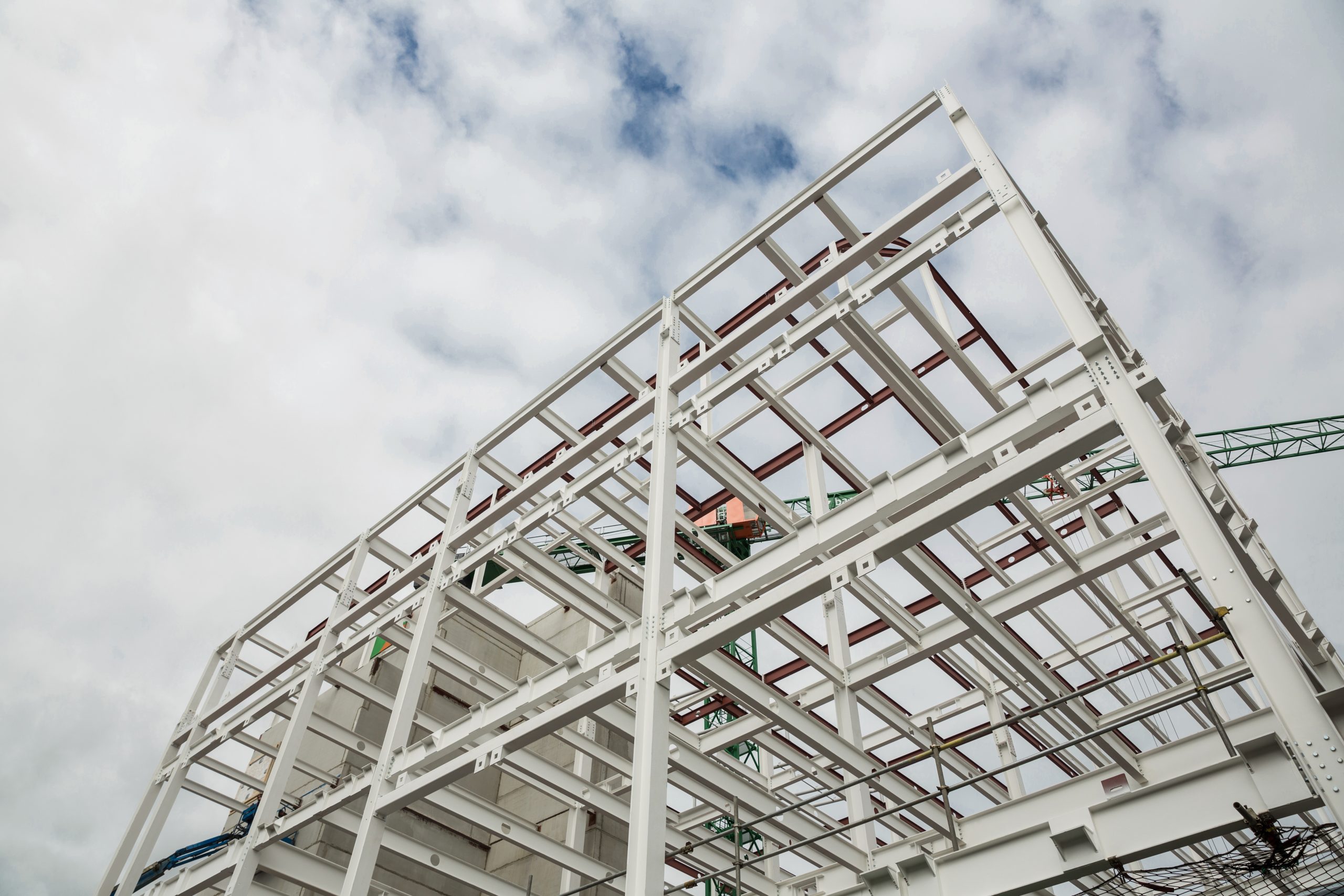
If you take a walk through any rapidly growing city today, you’ll see a familiar sight before the glass walls and finished facades go up: a massive, intricate skeleton of dark grey metal climbing into the sky. It’s a striking image, and it represents a massive shift in how we think about architecture.
For generations, wood and concrete were the absolute kings of the construction site. They were familiar, accessible, and they got the job done. But as our urban spaces get more crowded, environmental goals get more urgent, and architectural visions become far more daring, traditional materials are starting to hit a physical wall.
Whether you’re a developer trying to keep a project on schedule, an engineer solving a complex spatial puzzle, or just someone who cares about how our communities are built, here is a down-to-earth look at why steel frame construction has gone from an industrial alternative to the true backbone of modern buildings.
1. Rolling with the Punches: Seismic Resilience
Nature is completely unpredictable. Designing a building that can safely handle the earth shifting beneath it is one of the toughest challenges an engineering team can face. This is where structural steel completely changes the game compared to traditional concrete.
Concrete is incredibly strong when it comes to holding up direct downward weight, but it’s inherently brittle. Under the intense, lateral shaking of an earthquake, rigid concrete can crack, crumble, and suffer sudden, catastrophic failures. Steel, however, has a brilliant material property called ductility. It can bend, absorb massive amounts of kinetic energy, and flex under pressure without snapping. When a project relies on metal building frames, it’s designed to safely deform and ride out the stress of seismic activity rather than collapse, protecting both the financial investment and, most importantly, human lives.
2. The Lightweight Paradox: Less Bulk, More Strength
It sounds completely backwards, but a steel-framed building actually weighs significantly less than a concrete structure of the exact same size. Because steel has an exceptionally high strength-to-weight ratio, you can use far less material bulk to support the exact same structural load.
This lighter footprint triggers a fantastic domino effect across the whole construction timeline:
- Simpler Groundwork: Less building weight means you don’t need a massive, deeply excavated concrete foundation. This saves weeks of heavy digging and slashes thousands from the initial site budget.
- Easier Logistics: Transporting pre-engineered components into tight, crowded city centers is a lot less chaotic. It keeps the physical footprint of the job site small and reduces the need for massive, permanent cranes that end up blocking city traffic for months.
3. Total Creative Freedom and Wide-Open Spaces
If you’ve ever walked into a modern office building, a converted loft, or an airport terminal with soaring ceilings and absolutely no pillars blocking your view, you’ve seen the magic of structural steel firsthand.
Traditional timber beams can only span a certain distance before they begin to sag under their own weight, and concrete demands thick, frequent columns to hold up the floors above. Steel can bridge massive gaps completely unsupported. This gives architects the freedom to design wide-open floor plans, dramatic cantilevers, and stunning walls of pure glass. Plus, it makes the building adaptable. If a business needs to completely reconfigure its office layout ten years down the road, they can tear down and move walls easily because the interior partitions aren’t holding the roof up.
4. The Sustainability Factor: A Material That Doesn’t Die
In an era where sustainability has to be more than just a buzzword on a corporate brochure, the environmental credentials of steel frame construction are incredibly tough to beat.
When a wooden building reaches the end of its lifespan, the timber is rarely reusable for a new structural project. When concrete is demolished, it almost always ends up crushed into gravel or buried in a landfill. Steel, however, can be melted down and recycled infinitely without losing a single ounce of its structural integrity. In fact, most structural steel used today is already made from recycled scrap metal, drastically shrinking the carbon footprint of a building before the first worker even steps onto the site.
Steel vs. The Old Guard: The Practical Reality
To really understand why the construction industry is leaning so heavily into steel framing, look at how it handles the daily pressures of a fast-paced urban build:
- Pure Speed: While concrete requires weeks to be poured, set, and patiently cured, steel components are manufactured off-site to exact millimeter specifications. Once they arrive at the site, the team simply bolts them together like a massive, precise assembly kit, shaving months off the timeline.
- Weather Independent: Wood warps and rots if it gets soaked in a storm, and concrete can’t be safely poured in freezing winter temperatures without expensive heating setups. Steel assembly moves forward steadily, regardless of what the weather forecast says.
- More Rentable Space: Because steel columns are much thinner than bulky concrete pillars, a building gains more usable, rentable square footage inside the exact same exterior footprint.
The Big Picture
Modern construction isn’t just about building higher; it’s about building smarter, moving faster, and creating structures that last. Space in our cities comes at a premium, timelines are tighter than ever, and our buildings need to be resilient enough to handle changing environmental conditions for generations.