


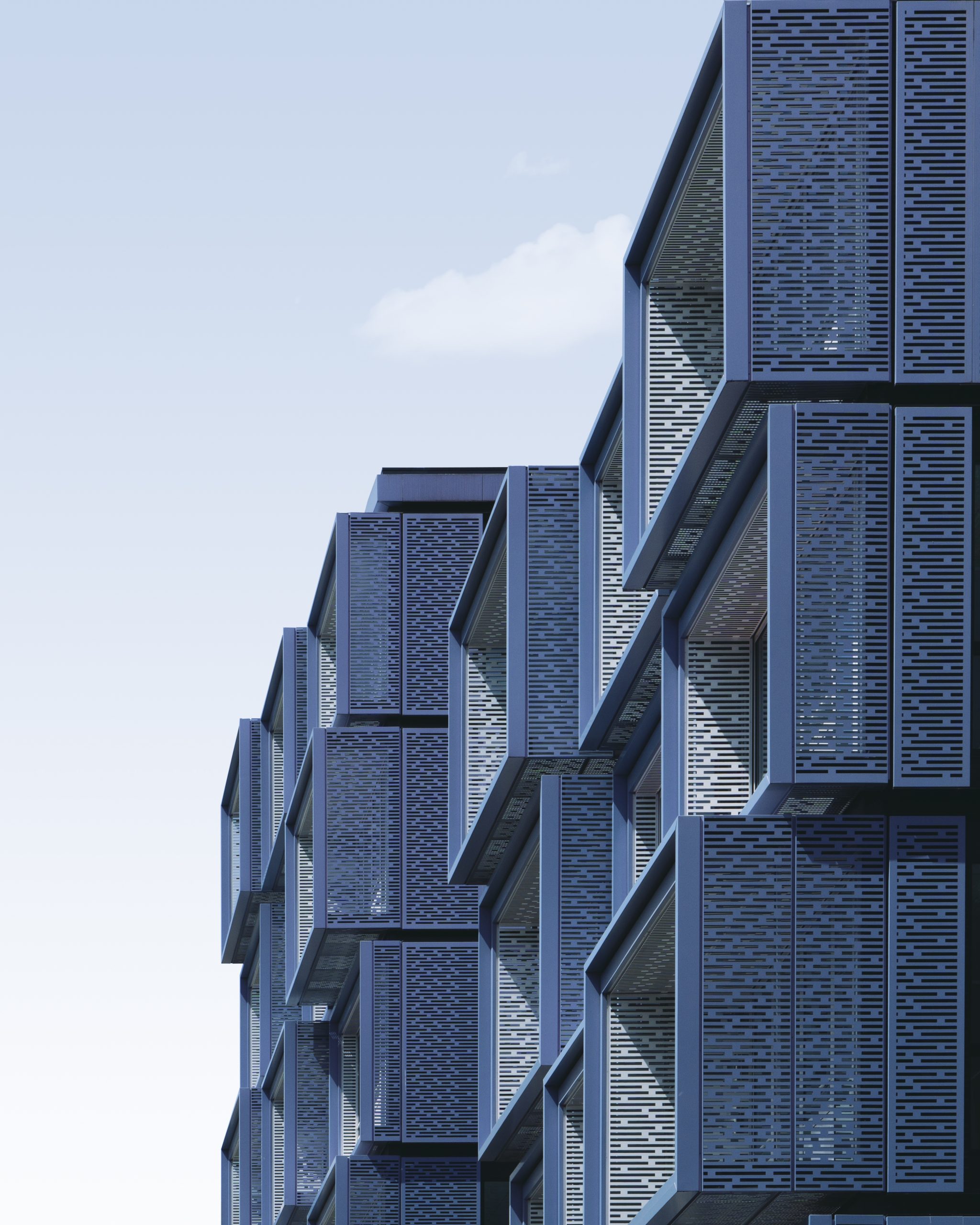
Building with steel is an exercise in permanence. Unlike other materials, metal doesn’t forgive a “measure twice, cut once” oversight, it demands absolute precision from the first sketch to the final bolt. Yet, even with its reputation for strength, many metal construction projects hit expensive roadblocks that could have been avoided with a little more foresight.
Whether you are erecting a commercial warehouse or a complex industrial structure, the stakes are high. One small oversight in the shop can lead to a massive headache on the job site. If you want your project to stand the test of time (and stay within budget), you need to steer clear of these all-too-common metal construction mistakes.
The Domino Effect of Poor Planning
The most expensive mistakes in construction don’t happen with a torch or a crane; they happen at a desk. Inadequate construction planning is the root cause of nearly every project delay. We’ve seen it time and again: a business rushes into the “build” phase without fully vetting the structural blueprints or understanding the site-specific requirements.
Without a rigorous plan, you end up with “clashes” where the metal beams interfere with the HVAC system or electrical routing. To avoid this, invest in detailed 3D modeling and pre-construction consultations. When everyone is on the same page before the first piece of steel is cut, you eliminate the need for costly “on-the-fly” fixes that drain your resources.
Cutting Corners on Material Quality
It’s tempting to look at a quote and go with the lowest bidder who promises the same “look” for half the price. However, in the world of metal construction, you truly get what you pay for. Low-grade alloys or recycled steel with high impurity levels can lead to structural fatigue or premature rusting.
If the steel isn’t certified or the thickness doesn’t meet the engineering specs, you aren’t just saving money you’re creating a liability. Always verify the source of your materials and ensure they meet international standards for the specific load-bearing requirements of your project.
The Precision Gap: Measurement and Fabrication
A quarter-inch might not sound like much, but in metal fabrication, it’s a mile. When measurements are taken hastily, the components arriving on-site simply won’t fit. This leads to “field modifications,” which involve cutting and grinding in an uncontrolled environment a recipe for compromising the integrity of the steel.
Precision is non-negotiable. This is why working with a shop that utilizes high-end technology, such as CNC machining and laser cutting, is vital. These tools ensure that every hole, notch, and edge is exactly where the blueprints say they should be, allowing the structure to go together like a perfectly engineered puzzle.
Weak Links: The Perils of Poor Welding
The joints are the soul of any steel structure. Weak or inconsistent welding is one of the most dangerous metal construction mistakes a team can make. Porosity, lack of fusion, or improper heat control can result in welds that look fine on the surface but fail under stress.
To avoid this, ensure your project is handled by certified welders who follow strict procedures. More importantly, don’t skip the inspection phase. Visual checks are good, but ultrasonic or X-ray testing on critical load-bearing joints provides the peace of mind that the building won’t just look strong, it will actually be strong.
Forgetting the Elements: Corrosion Protection
Unless you’re building in a vacuum, your metal is under constant attack from the environment. A common mistake is failing to account for the local climate. Is your building near the sea? Is it in a high-humidity zone?
Neglecting proper coatings whether it’s hot-dip galvanizing, specialized primers, or powder coating is a ticking time bomb. Corrosion doesn’t just look bad; it eats away at the cross-sectional area of your steel, eventually compromising the building’s safety. Always match your protection strategy to your environment.
Choosing the Wrong Partner
At the end of the day, a project is only as good as the people building it. Many businesses choose a contractor based solely on the bottom line, overlooking their specialized experience in metal construction.
You need a partner who understands the nuances of the craft, from the chemistry of the steel to the physics of the lift. A reliable expert doesn’t just follow instructions; they spot potential errors before they happen and offer solutions that save you time and money in the long run.
A successful build isn’t a result of luck; it’s a result of discipline. By prioritizing construction planning, insisting on top-tier metal fabrication, and ensuring expert welding, you transform a risky venture into a lasting asset.
In the world of steel, there are no shortcuts to quality. When you do it right the first time, you aren’t just building a structure, you’re building a legacy that will stand tall for decades.