


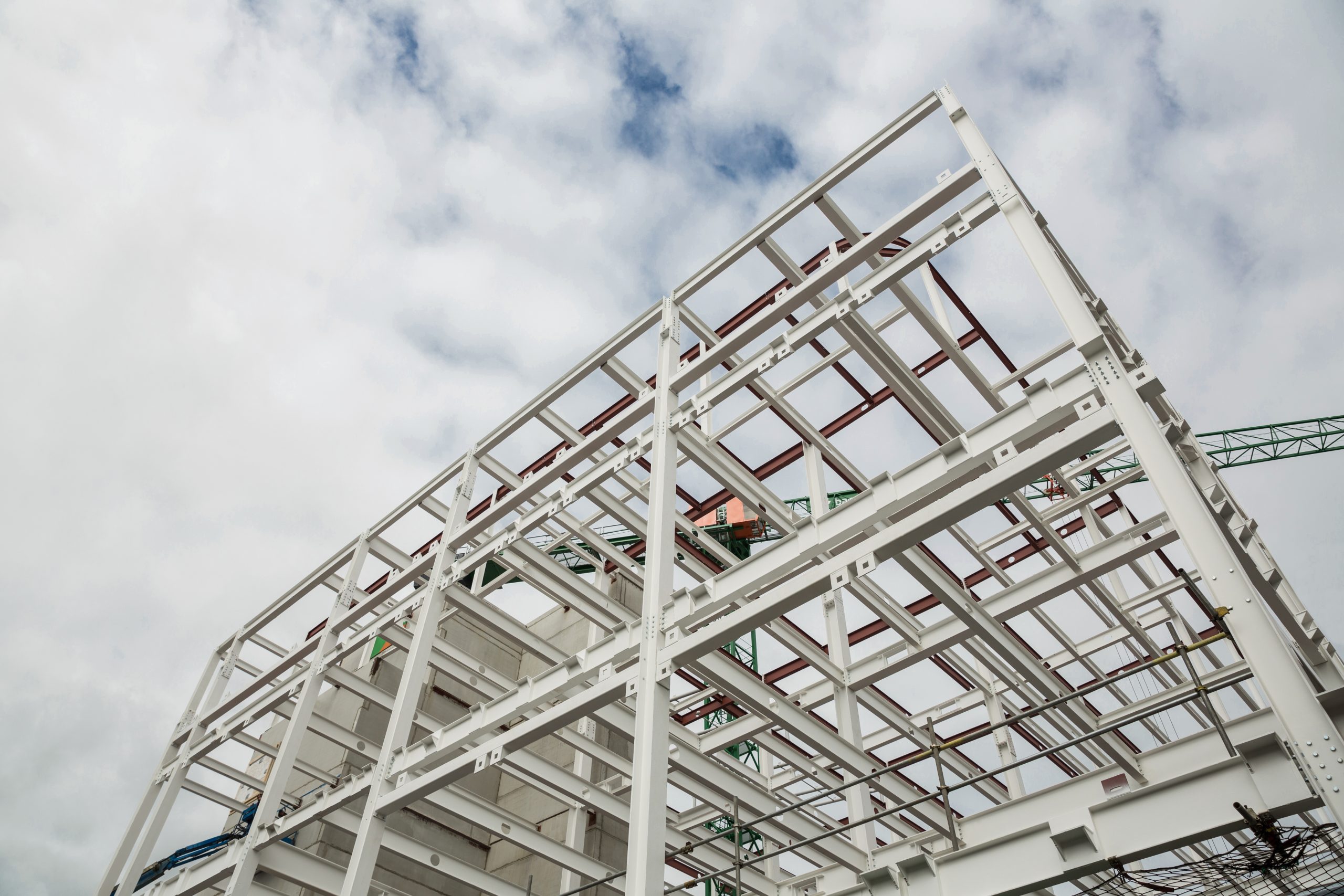
If you walk past a major construction site today, you’ll likely notice something different. The traditional sounds of pouring concrete and the smell of fresh timber are increasingly being replaced by the rhythmic clanging of steel. It’s a shift that has taken over the industry, and it isn’t just a passing trend. For anyone in the commercial or industrial sector, metal construction has become the gold standard, and honestly, it’s about time.
When we talk to developers about why they’re making the switch, it usually comes down to three non-negotiables: speed, money, and survival. In the old days, building a massive warehouse or a retail center was an exercise in extreme patience. You’d wait for the weather to clear, wait for the concrete to cure, and pray that your materials didn’t warp or degrade before the roof was even on. Modern structural solutions have changed that math entirely.
The Efficiency Edge
In the business world, “done” is always better than “almost done.” The beauty of working with a professional metal construction company is the sheer predictability of the timeline. Most of the heavy lifting happens before the first truck even arrives at the site. Thanks to advancements in precision engineering, every single component is manufactured to a fraction of a millimeter in a controlled factory environment.
Imagine trying to build a giant puzzle where every piece is guaranteed to fit perfectly the first time. That’s what it feels like on a modern job site. There’s no “cutting to fit” or “making it work” on the fly. Because of this precision, the frame goes up in a fraction of the time. While competitors might still be waiting for their foundation walls to dry or their timber to be delivered, a metal building is often already enclosed and ready for the interior teams. That translates to months of extra revenue for the owner, which is the kind of ROI that speaks for itself.
Built to Outlast the Elements
We live in an era where “extreme” weather is becoming the new normal. If you’re building a multi-million-dollar distribution hub or a manufacturing plant, you don’t want to worry about high winds, heavy snow loads, or seismic activity. Metal doesn’t rot, it doesn’t attract termites, and it doesn’t catch fire like traditional wood-frame structures.
Even when compared to concrete, metal has a structural flexibility that’s hard to beat. It can “give” slightly under stress without catastrophic cracking. When you top that off with high-grade metal roofing and wall panels, you’re looking at a structure that is virtually impenetrable by the elements. It’s the kind of durability that lets a business owner sleep better at night, knowing their physical investment is safe.
The Evolution of Metal Design
I think we need to move past the outdated idea that metal buildings have to look like boring, rusty sheds. Modern metal design is actually incredibly sleek and versatile. Because steel has such a high strength-to-weight ratio, it allows for huge, open spaces, what we call “clear spans” without needing a forest of support columns inside. This gives architects a blank canvas to create open-concept offices, massive showrooms, or highly efficient factory floors that aren’t interrupted by pillars.
With the level of detail possible through modern fabrication, you can incorporate complex shapes, glass facades, and premium finishes that give a building a truly high-end feel. It’s no longer just about function; it’s about making a brand statement.
The Greener Path to Growth
Sustainability isn’t just a buzzword anymore; for many companies, it’s a legal and ethical requirement. Steel is the most recycled material on earth. When a building’s life cycle finally ends, those beams don’t head to a landfill, they get melted down and turned into something new. Furthermore, metal buildings are incredibly energy-efficient. When paired with high-quality insulation and reflective coatings, they drastically cut down on cooling and heating costs. It keeps the heat out in the summer and the warmth in during the winter, which is a win for the planet and even better for the monthly utility bills.
At the end of the day, choosing metal construction is about future-proofing. It’s about building something that goes up faster, lasts longer, and costs significantly less to maintain over its lifetime. Whether you’re looking at a small commercial expansion or a massive industrial complex, the shift toward metal isn’t just about the material: it’s about a smarter, more resilient way to build for the future.